Step 7 — Customer accounts & admin dashboard
A store isn’t finished just because customers can place orders. When a customer comes back tomorrow, can they see what they ordered and its status? Can they update their address? And behind the scenes — who manages orders and updates inventory when something sells? This step builds the systems that make everything work after checkout.
First: inspect, don’t start over
We’re extending the existing app, so the agent must first understand how customer data is stored, how orders are created, how variants are structured, and how everything connects. A dashboard that looks impressive is easy; one that manages the store’s real data is the actual challenge. We want one connected application — not two systems pretending to work together.
Prompt sections
| Area | Requirements |
|---|---|
| Customer auth | Registration and login. Access control lives in application logic — a customer can never open another customer’s orders by changing a URL. |
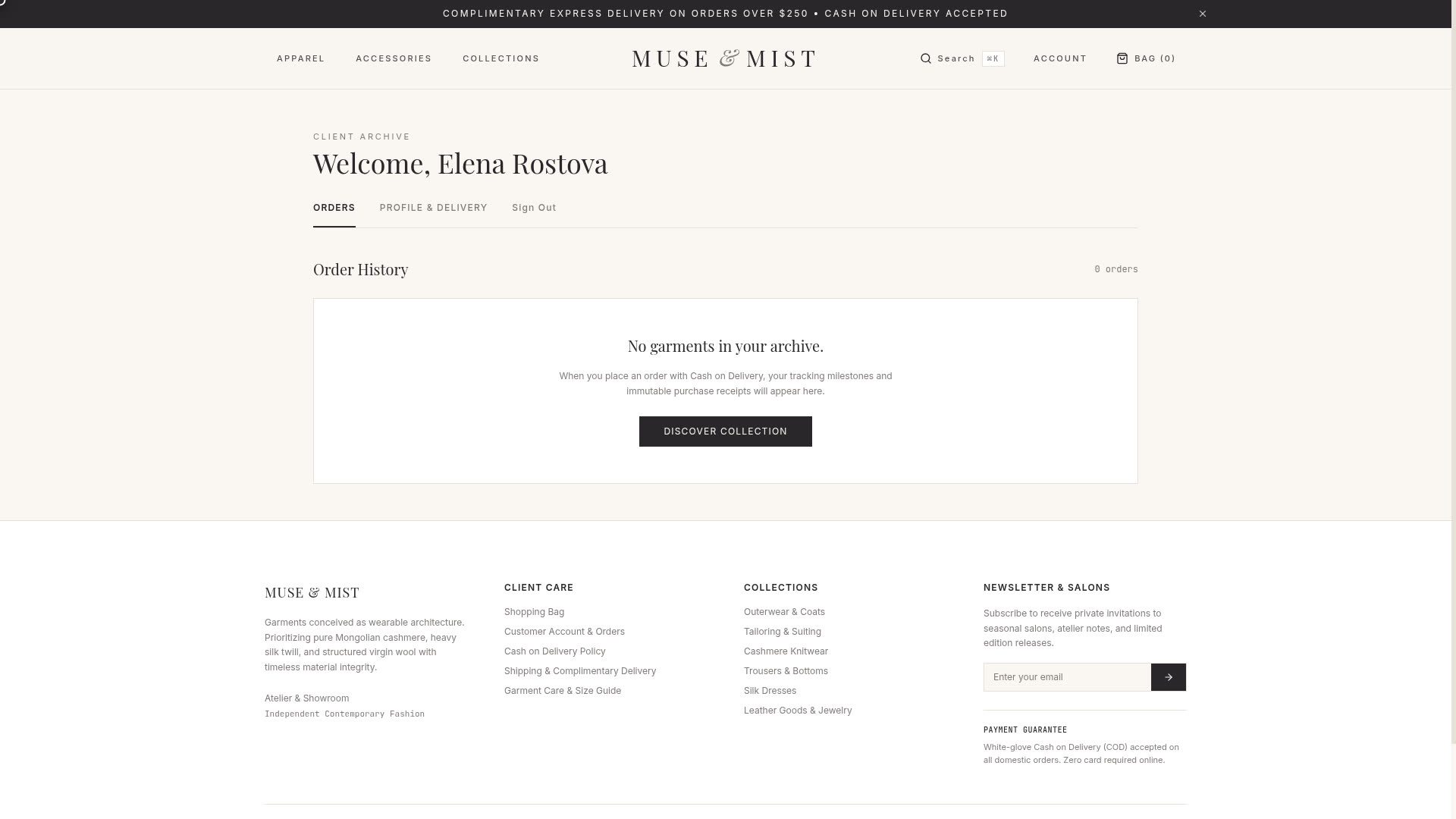
| Customer dashboard | Profile and delivery-address management in one place that feels like part of the store. |
| Order history | Reference, date, products, selected variants, quantities, total, status, and a detail view per order. |
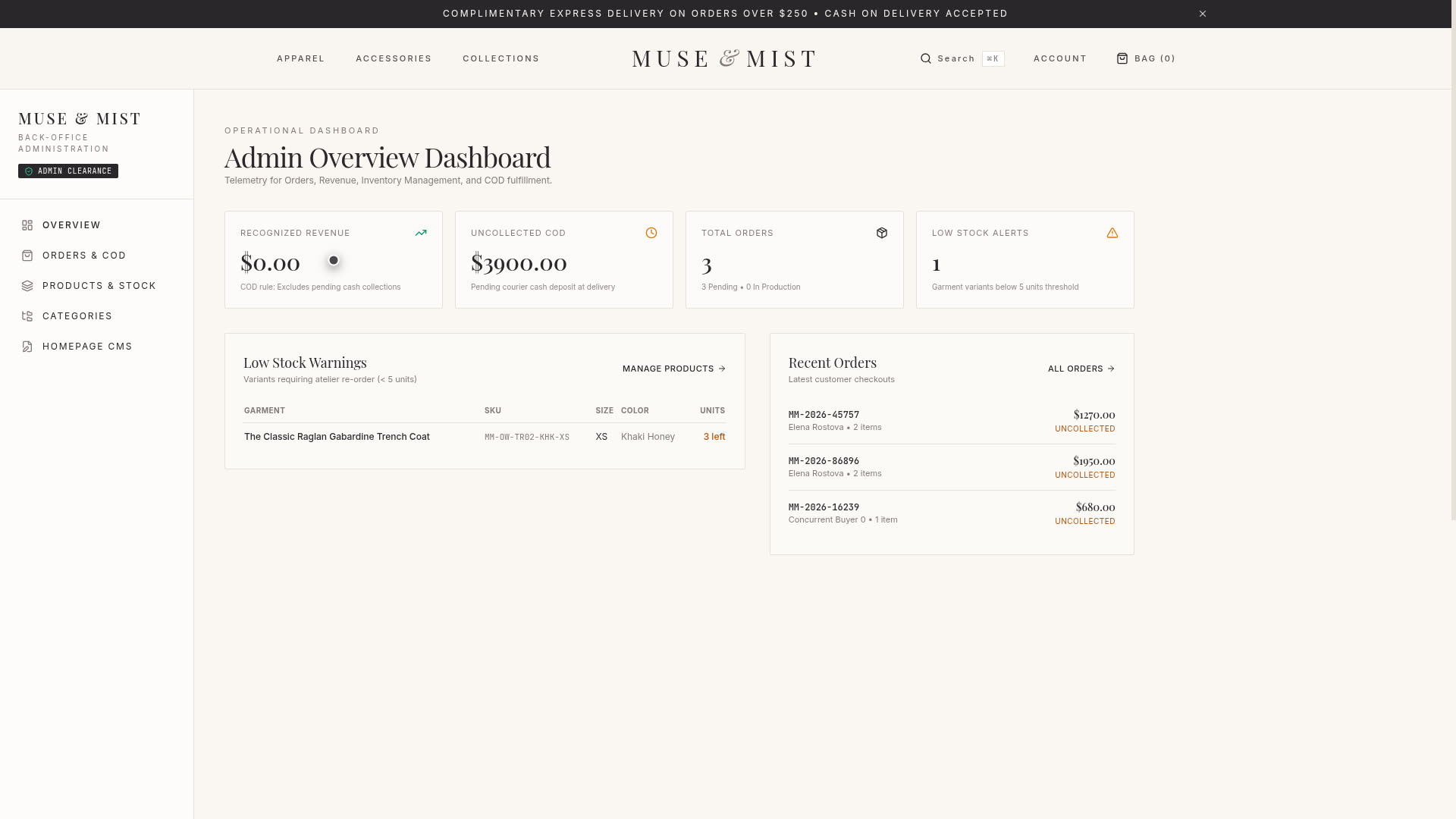
| Admin auth | A separate, server-verified admin area restricted to authorized administrators. |
| Admin overview | Order activity, products, customers, inventory indicators, recent orders — all from real store data. |
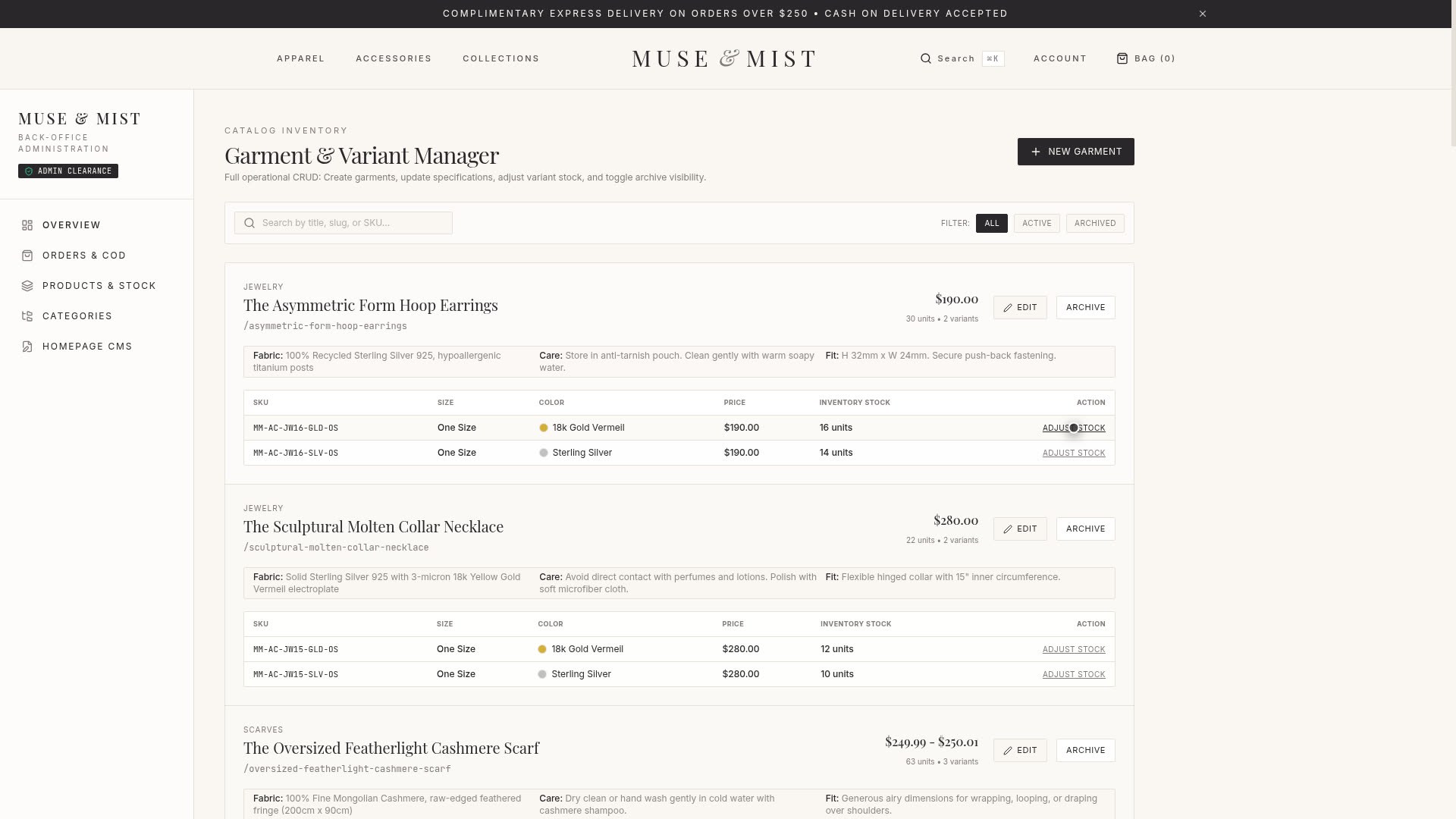
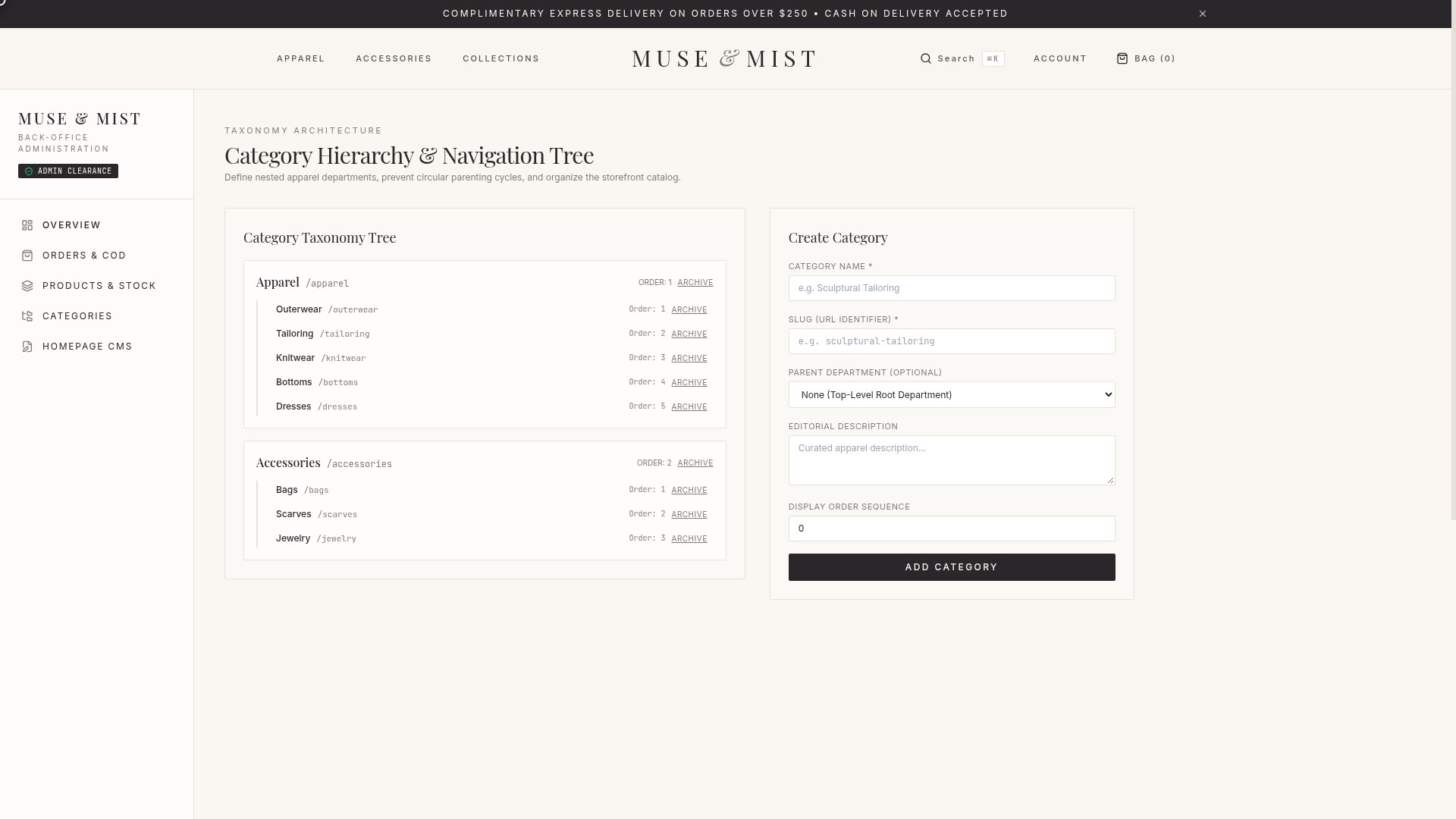
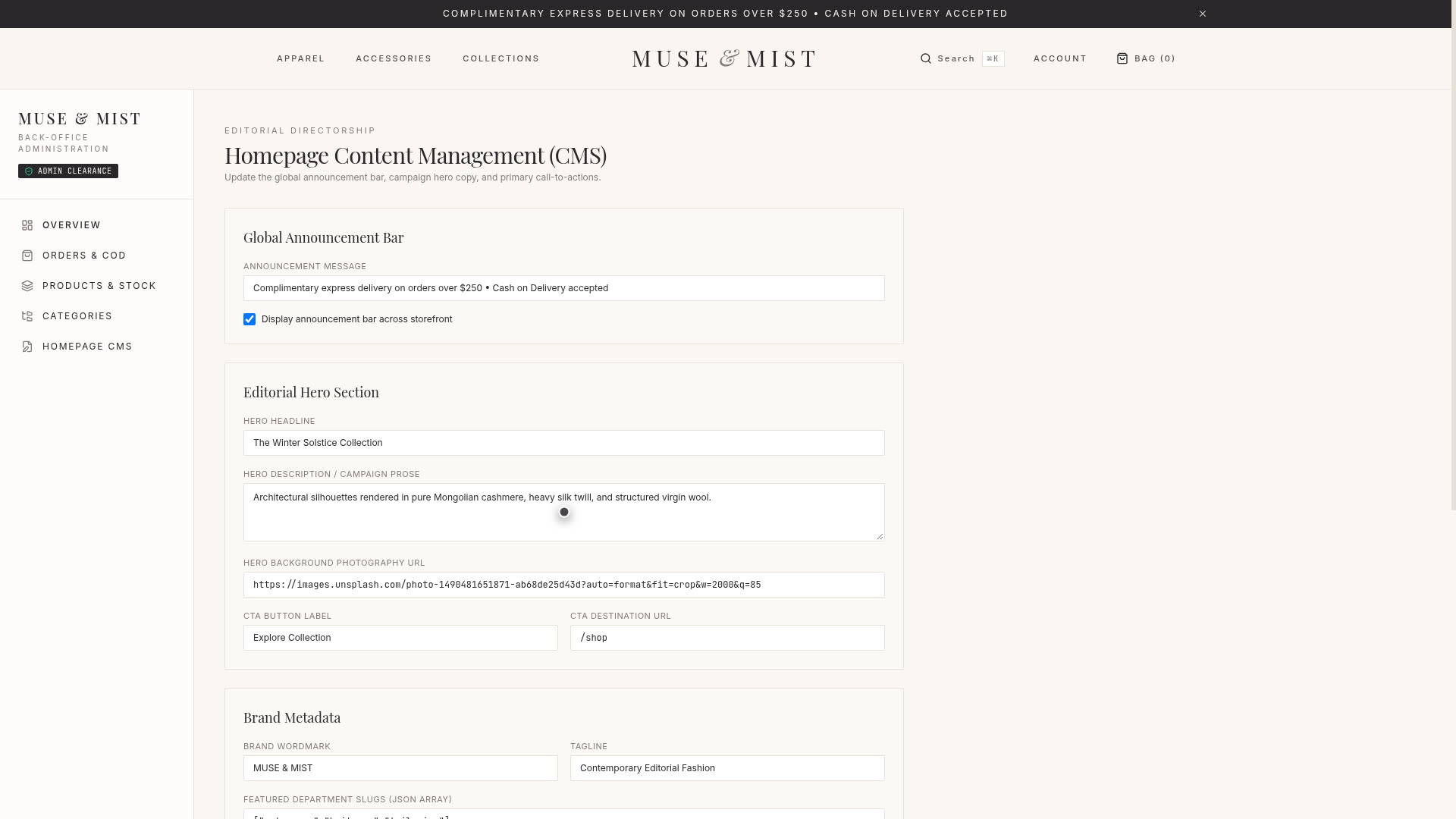
| Product management | Create/edit products, images, categories, active/inactive — changes show up on the storefront. |
| Variants & inventory | Manage size/color combinations, SKUs, per-variant stock; spot low-stock and unavailable variants. |
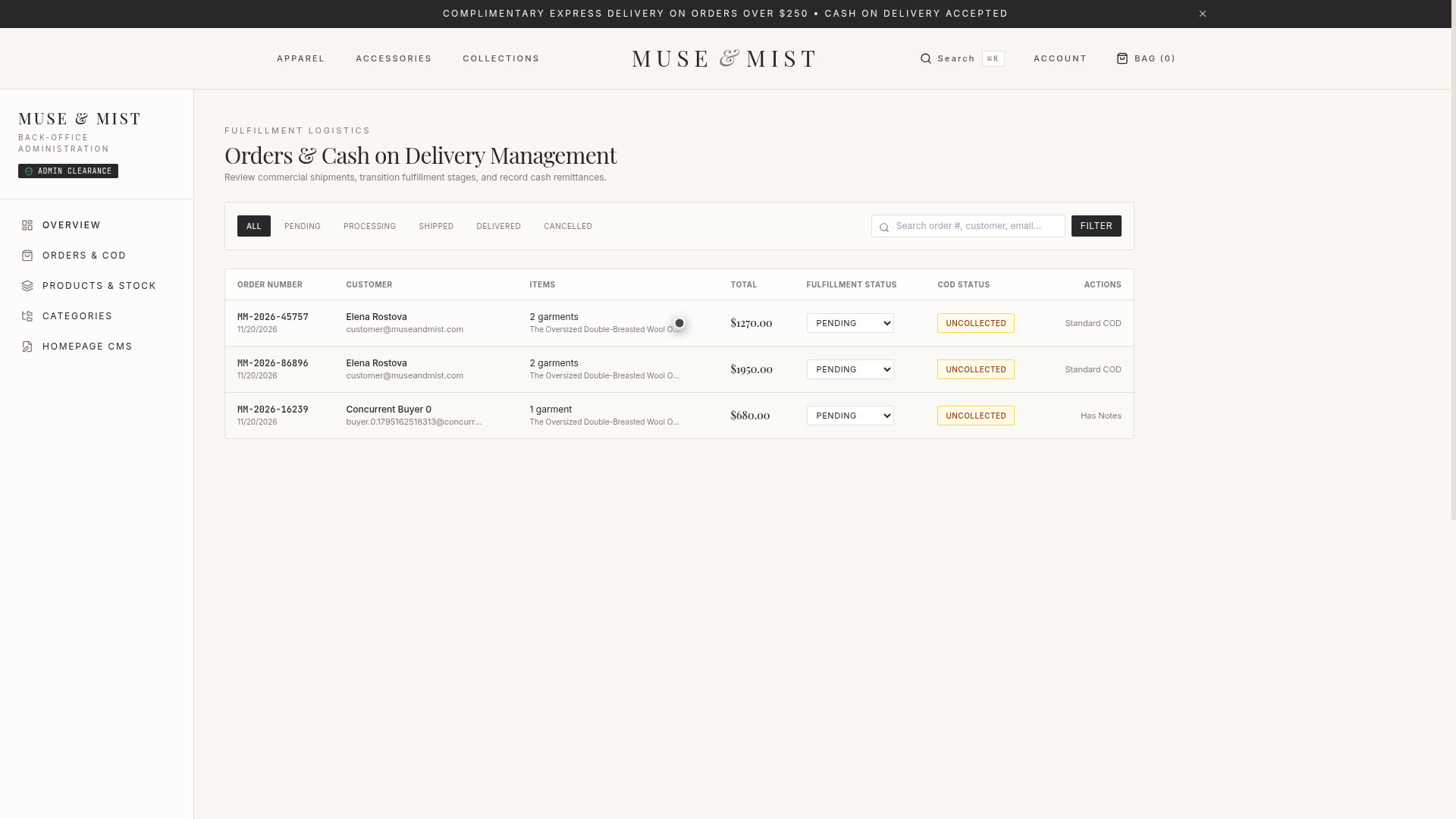
| Order management | Search by reference, filter by status, view details, move orders through Pending → Confirmed → Processing → Shipped → Delivered. |
| Boundaries | No payment gateways, external shipping services, or unrelated features. |
| Verify & report | Test customer and admin workflows and responsive layouts; report anything incomplete. |
Key instruction: no features that only look functional. Stats come from actual data, customers see only their own orders, and admins need the correct permissions.